
Overview
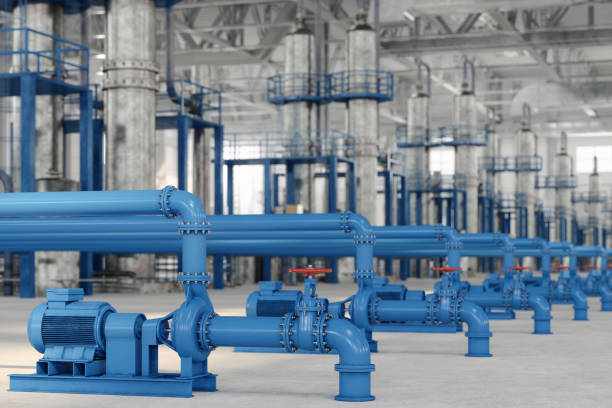
Piping design is a vital sector of engineering, which is a broad and ever-evolving science. Taking a piping design engineer course could be one of the best professional decisions you can make if you're a mechanical or civil engineer hoping to specialize. Understanding the systems, materials, safety regulations, and functions that support major sectors like oil and gas, power plants, medicines, and more is more important than simply sketching pipelines.
A Piping Design Engineer Course: What Is It?
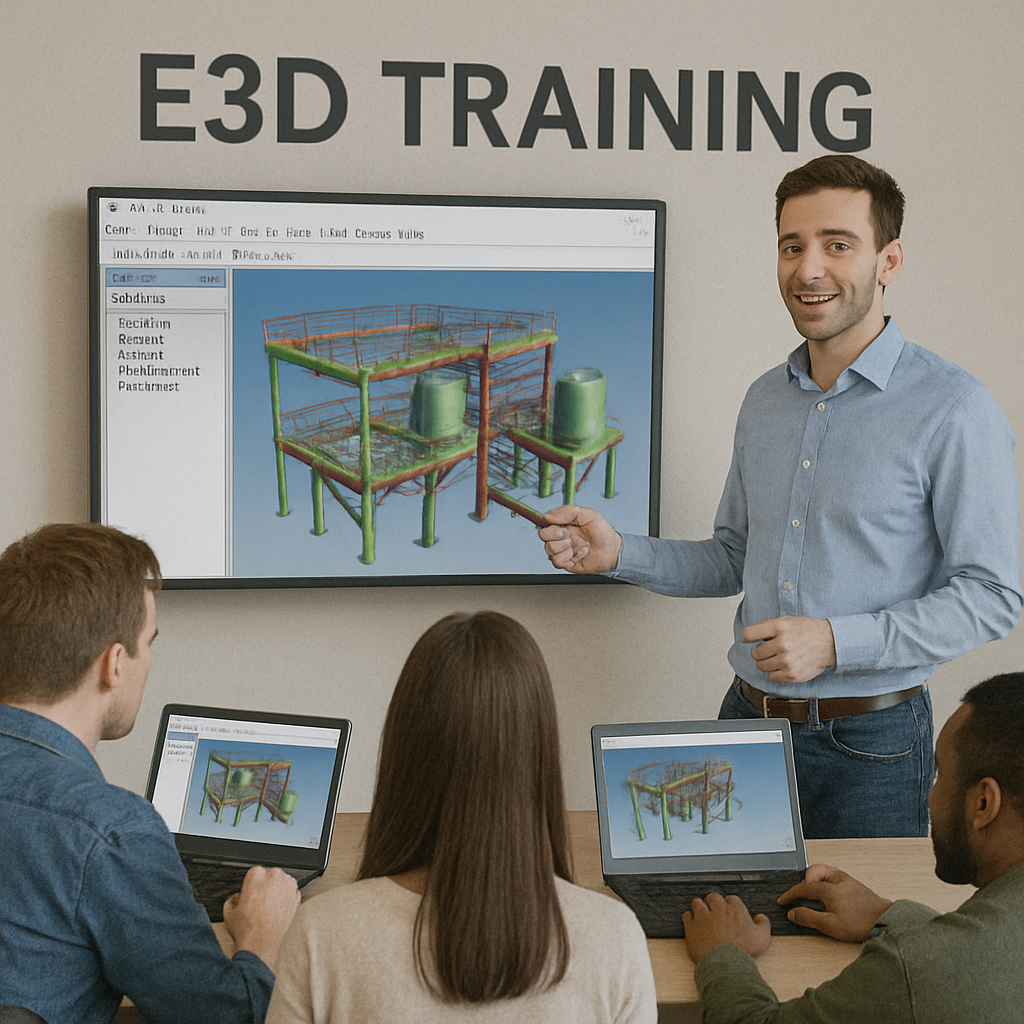
A professional certification program that gives students the technical know-how needed to design piping systems is called a piping design engineer course. It covers topics including industry standards like ASME and API, 3D modeling tools like AutoCAD Plant 3D or PDMS, stress analysis, isometric drawings, flow diagrams, and piping components. Engineering students, diploma holders, and working professionals looking to advance their skills are often the target audience for the course.
Why It's Highly Desired
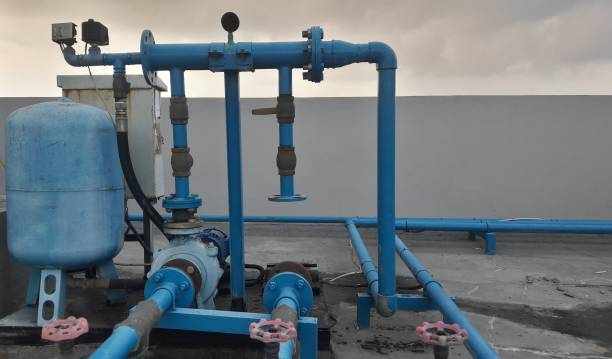
Water treatment facilities, chemical factories, and oil refineries are among the industries that need effective and secure piping systems since they depend so significantly on fluid transportation. Piping engineers can help with it. Enrollment in the piping design engineer program has increased both domestically and internationally as a result of the need for qualified workers. The demand for skilled pipe professionals is growing as industries grow, which makes this specialization extremely significant.
Important Skills You'll Acquire
You can acquire vital skills that are relevant to the industry by completing a piping design engineer course. You gain knowledge of how to do layout design, compute pipe stress, interpret P&ID (Piping and Instrumentation Diagrams), and choose the right materials. Additionally, you learn how to use engineering software, which is necessary for producing precise models and lowering the possibility of design errors in practical applications.
Employment Possibilities Following the Course
Upon finishing the course, a variety of job options become available. You can become a project engineer, CAD designer, stress analyst, or piping layout engineer. These positions are accessible in industries such as petrochemicals, shipbuilding, infrastructure, and oil & gas. Additionally, you can work on global projects or even transition into project management or consulting jobs if you have the necessary experience.
How It Helps Advance Your Career
By improving your technical proficiency and job readiness, taking a piping design engineer course can greatly advance your career. It gives you an advantage in interviews and makes your CV stand out. The course also makes you more capable and self-assured as an engineer in any industrial situation by preparing you for real-time problem-solving through the frequent use of case studies and practical projects.
In conclusion
A piping design engineer degree can be a game-changer, regardless of whether you're just starting out in your profession or want to specialize in a highly sought-after field of engineering. In an area that supports some of the most significant industries in the world, it strengthens your technical basis, increases your employability, and puts you on a course for long-term growth. This could be your next best move if you're serious about engineering and want to make an impression.





Write a comment ...