
Overview
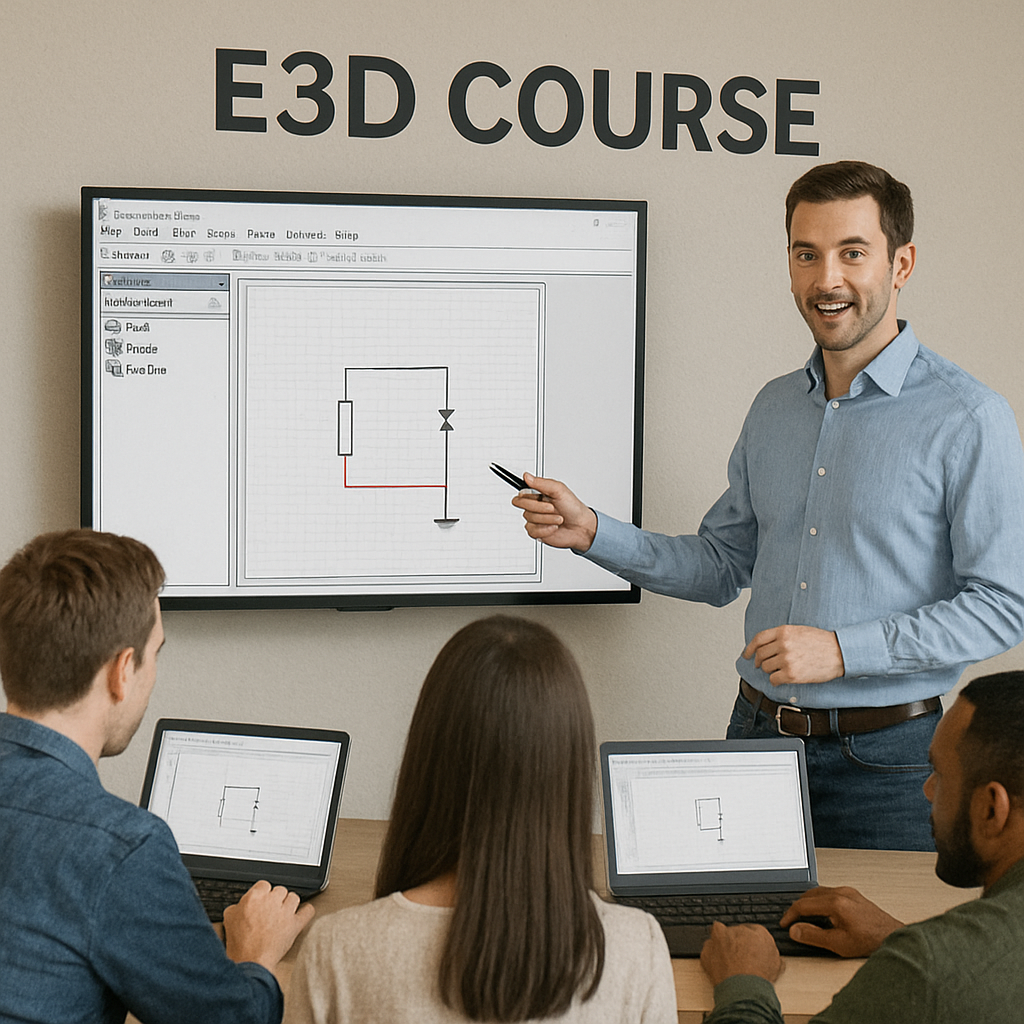
In the modern industrial environment, plant engineering is developing at a never-before-seen pace. The use of sophisticated design tools like AVEVA E3D has increased as a result of the need for accuracy, effectiveness, and safety in project execution. However, to fully harness the potential of this powerful software, E3D training has become crucial for engineers and designers. Professionals can improve their technical proficiency and change the way projects are organized, created, and completed with the correct training.
Recognizing E3D's Potential
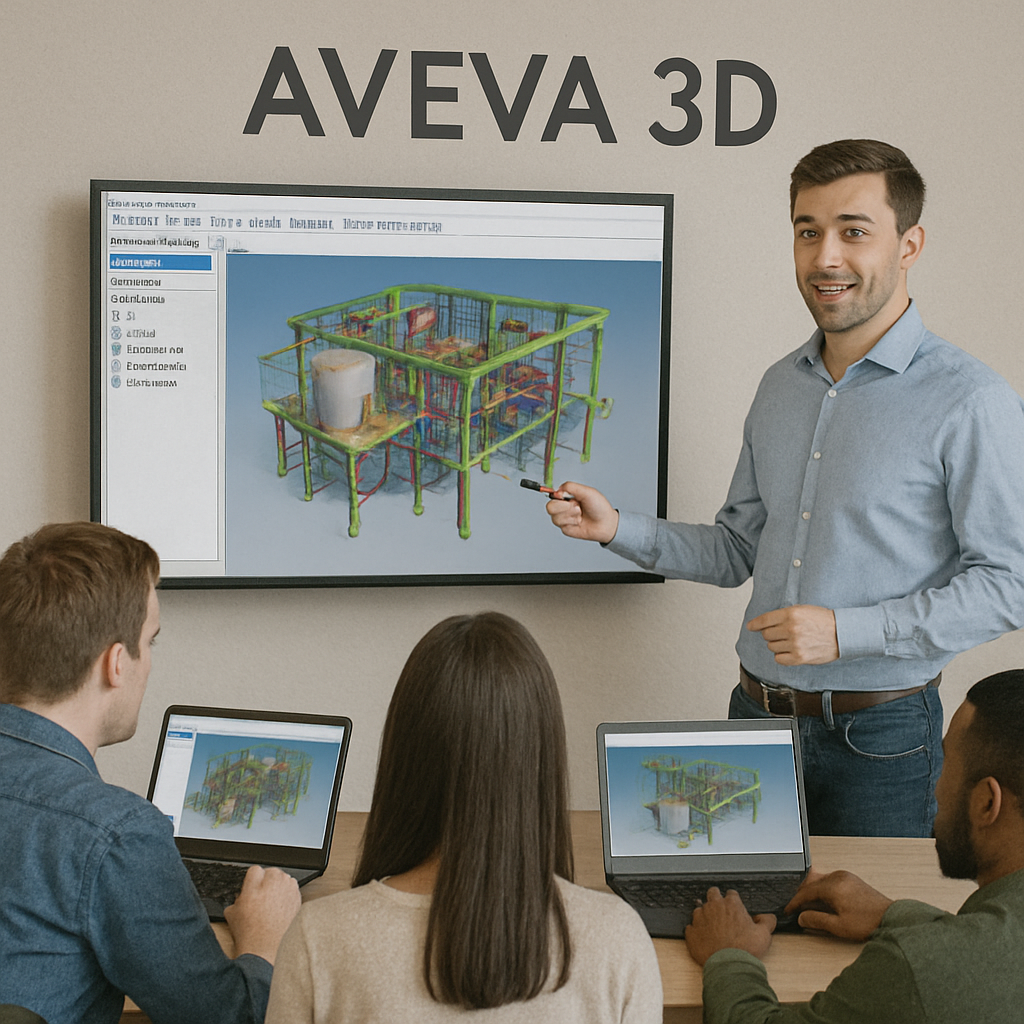
AVEVA Everything3D, sometimes known as E3D, is a cutting-edge 3D design tool for plant engineering projects. It enables engineers to produce incredibly detailed and precise models, which improves visualization and teamwork. However, many of E3D's sophisticated features are frequently underutilized without adequate training, which results in less than ideal project outputs. Teams who receive structured training are better able to utilize the program to its maximum potential, which boosts output and project quality.
Simplifying Design Processes
Design optimization is one of the most important ways that E3D training is transforming plant engineering practices. With accurate data integration, skilled experts can produce intelligent 3D models that minimize rework and design conflicts. Project timelines are accelerated and expensive delays are reduced by this seamless transition from conceptual design to technical engineering.
Enhanced Inter-Team Cooperation
Multidisciplinary teams comprising mechanical, civil, electrical, and instrumentation experts work on plant engineering projects. All team members get a consistent method of utilizing the software through E3D training. Since everyone works in the same digital environment, communication gaps are eliminated and updates and revisions are easily shared across departments.
Cutting Down on Mistakes and Improving Accuracy
In plant engineering, fixing design flaws can be expensive and time-consuming. Engineers gain knowledge of advanced modeling approaches, precise component libraries, and clash detection tools through E3D training. This leads to increased accuracy, fewer design errors, and ultimately a safer and more effective plant construction process.
Improving Client Communication and Project Visualization
Complex technical drawings are frequently difficult for clients to understand. By enabling engineers to create lifelike 3D walkthroughs and visualizations, E3D training helps clients better understand the project design. Because clients can see the finished product before building starts, this enhances communication and fosters trust and happiness.
Meeting Industry Requirements
Plant engineers need to remain competitive as companies transition to digital transformation. Engineers that receive E3D training are guaranteed to stay current on the newest software updates, industry standards, and design techniques. This future-proofs their talents and positions them as valued assets to their employers.
In conclusion
Collaboration, accuracy, and efficiency are essential in the field of plant engineering. By helping professionals to optimize software capabilities, minimize errors, and improve teamwork, E3D training is significantly changing processes. E3D will continue to influence plant design in the future as more businesses engage in upskilling their workforces, resulting in more intelligent, dependable, and rapid engineering projects.

Write a comment ...