
Overview
The engineering field is changing quickly, and with it, so are the tools used to plan and carry out projects. Of these, Aveva 3D has become one of the most potent software platforms for industrial projects and plant design. Learning Aveva 3D is increasingly essential for mechanical engineers to remain competitive in the field, not merely a nice-to-have.
Comprehending Aveva 3D
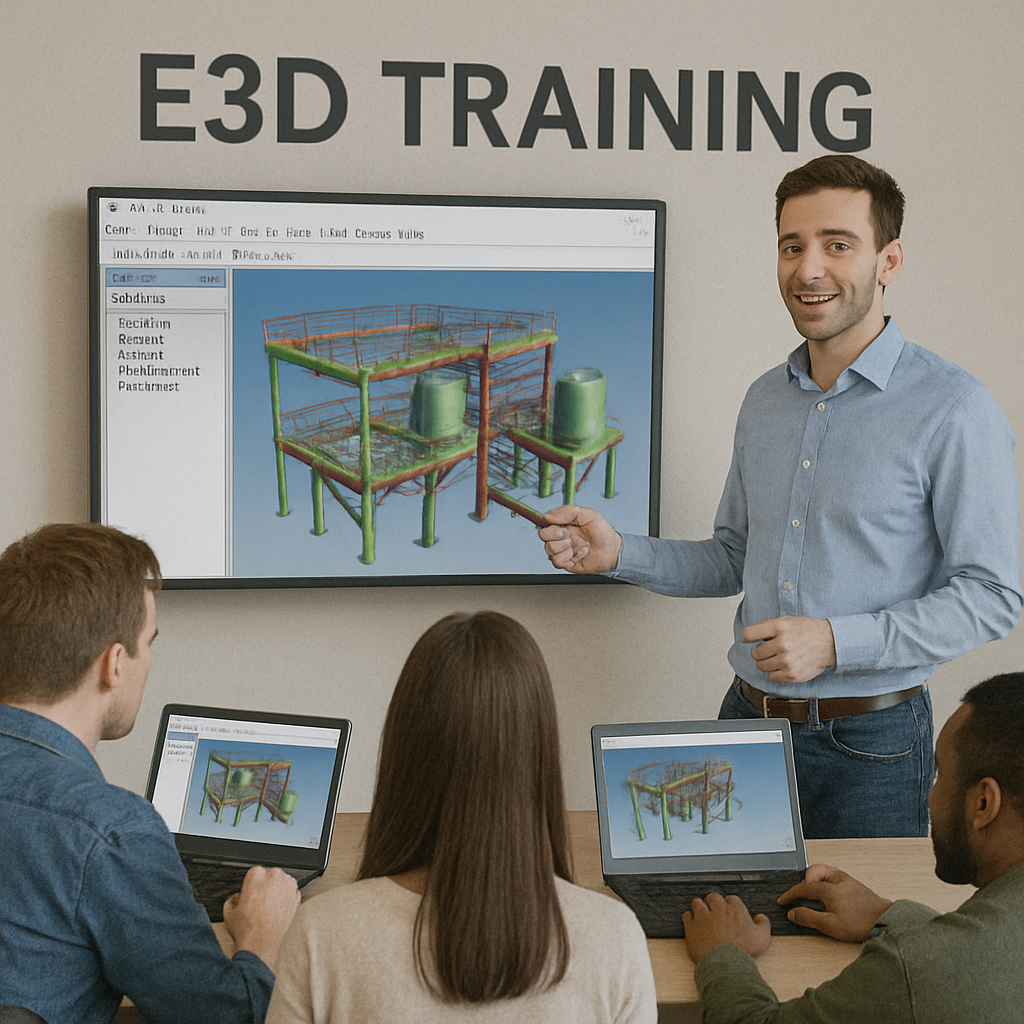
Engineers may create, edit, and view intricate 3D models for industrial plants, machinery layouts, and other large-scale engineering projects using Aveva 3D, a very sophisticated plant design program. Because it facilitates multidisciplinary cooperation, engineers from mechanical, plumbing, electrical, and structural disciplines can collaborate on a project in the same setting, increasing accuracy and productivity.
The Need for Mechanical Engineers
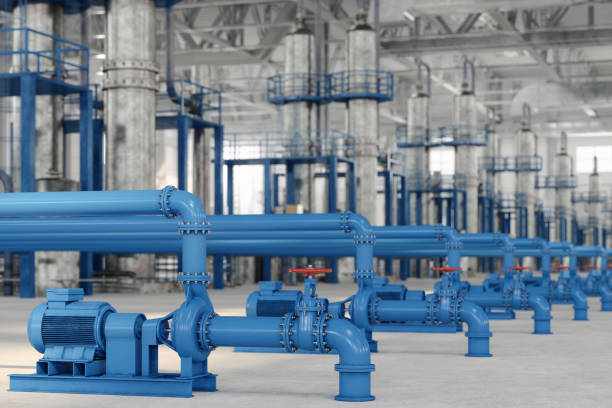
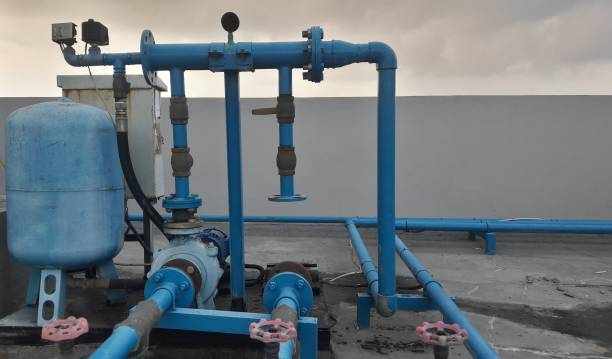
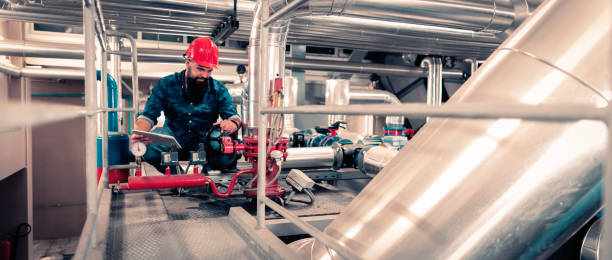
In industrial buildings, mechanical engineers are frequently in charge of designing the support structures, piping systems, and equipment. They may simulate these systems in depth with the help of Aveva 3D's robust platform. Before building starts, engineers can use the program to see how parts fit together, spot possible conflicts, and make sure industry standards are being followed. This lowers expensive mistakes and rework.
Expanding Professional Possibilities
Employers prefer engineers with practical abilities who can get right in to the workforce in today's competitive labor environment. A mechanical engineer might stand out from the competitors by being proficient with Aveva 3D. Many businesses expressly seek personnel with expertise in this software, particularly in the oil and gas, power generating, and industrial sectors. Mechanical engineers can gain access to better-paying jobs and international prospects by learning it.
Increasing the Effectiveness of Projects
In engineering projects, time equals money, and Aveva 3D is made to save both. Engineers can easily make changes, run simulations, and produce precise fabrication drawings thanks to its clever 3D modeling capabilities. As a result, decisions are made more quickly, projects are completed on schedule, and engineering teams work together better.
Applications in the Real World
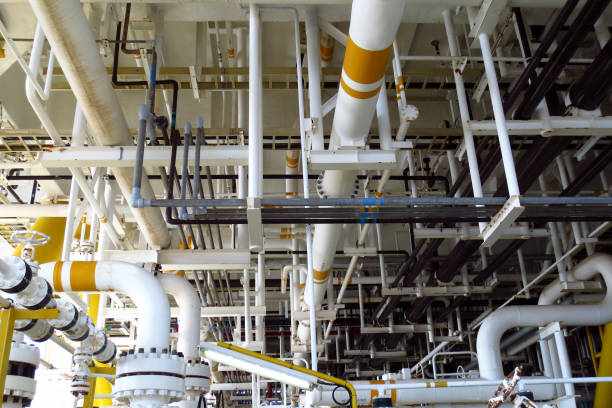
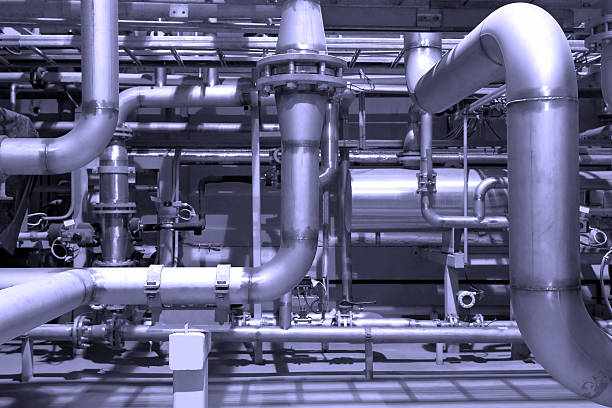
Aveva 3D is essential for many mechanical engineering tasks, ranging from petrochemical plant pipe layout to heat exchanger design. Engineers can oversee a project's whole lifespan, from conception to commissioning, on a single platform thanks to its interaction with other Aveva products. Project management becomes more streamlined and dependable with this all-encompassing strategy.
Remaining Current in the Sector
As the engineering field becomes more digitally oriented, software abilities will become just as crucial as theoretical understanding. Mechanical engineers can stay relevant in a technologically advanced industry by mastering Aveva 3D. As more sophisticated design techniques are adopted by industries, this investment in professional development will continue to provide returns.
In conclusion
Mechanical engineering now involves using sophisticated technologies to accurately and efficiently realize designs rather than relying solely on calculations and blueprints. With the help of Aveva 3D, engineers may better fulfill industry demands, enhance project outcomes, and differentiate themselves in a crowded market. Learning Aveva 3D now is a wise decision for any mechanical engineer looking to secure their job in the future.



Write a comment ...