
Overview
For engineers, one of the most challenging yet lucrative industries has traditionally been the oil and gas sector. Among the many specialties, piping design is essential to the efficient running of refineries, factories, and offshore platforms. Enrolling in a piping design engineer course can be a game-changer for establishing a career in this field. When hiring new or seasoned engineers, organizations want to see that you have the technical knowledge, software abilities, and industry exposure that this course gives you.
The Need for Piping Design Engineers in the Oil and Gas Sector
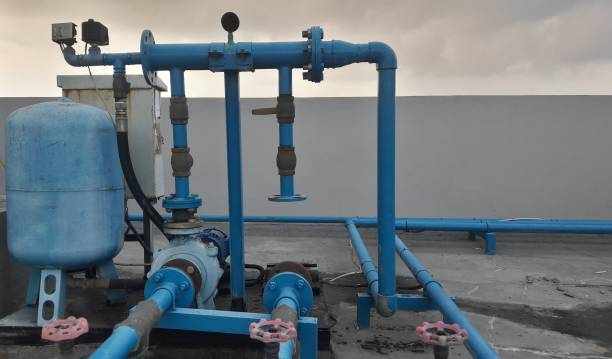
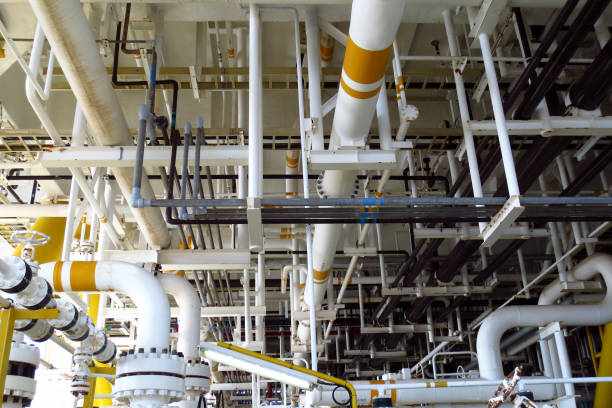
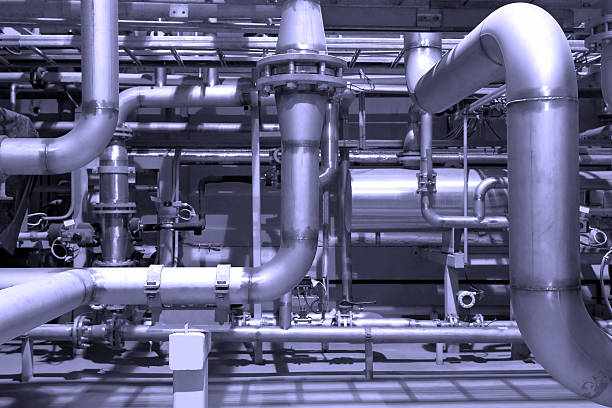
Complex pipeline systems are used in all oil and gas projects to move refined, gas, and crude products. These pipes need to be designed with accuracy, safety regulations, and international rules in mind. For this reason, there is a great need for qualified piping design engineers. You can differentiate yourself from other general mechanical or civil engineers by obtaining the particular knowledge that comes with finishing a piping design engineer course.
Course Content for Piping Design Engineers
Topics including piping layouts, stress analysis, material selection, fluid dynamics, and software tools like PDMS, AutoCAD, and Caesar II are typically covered in a piping design engineer school program. Real-world projects can immediately benefit from these abilities. Additionally, the training focuses on safety procedures, which are crucial in a field where even minor design flaws can result in significant losses.
Software Skills Relevant to the Industry
Understanding engineering ideas alone is insufficient in the competitive employment market of today. Engineers should be knowledgeable about the newest plant design software, according to employers. Gaining practical experience with 2D and 3D design tools through a piping design engineer course enables you to work on real-world projects with assurance. During job interviews, this practical expertise frequently ends up being the decisive element.
Possibilities for Employment Following the Course
You can apply for jobs as a stress analysis engineer, project engineer, piping layout designer, or piping design engineer after finishing the course. There are many chances in the oil and gas sector as well as in businesses like petrochemicals, power plants, and the chemical industry. You can advance to more senior roles like project manager or lead piping engineer with experience.
How the Course Helps You Get a Job
Although a degree in civil or mechanical engineering provides the groundwork, employers prefer individuals who are prepared for the workforce. You can lessen the need for on-the-job training and show your dedication to the profession by finishing a specialist course. This enhances your prospects for a starting pay in addition to your chances of getting recruited.
Oil and Gas Opportunities Worldwide
With projects throughout the Middle East, Africa, Asia, and beyond, the oil and gas sector is a worldwide enterprise. Opportunities overseas are readily available to a licensed piping design engineer. Professional training guarantees that applicants can swiftly adjust to worldwide norms and codes, which is why many employers prefer to hire them.
In conclusion
It takes more than a general engineering degree to get started in the oil and gas industry. Employers place the highest priority on technical depth, software proficiency, and industry readiness, all of which are provided by piping design engineer courses. Investing in this specialized training could be the best course of action for reaching your career goals if you are serious about establishing a secure and fulfilling career in the oil and gas industry.






Write a comment ...